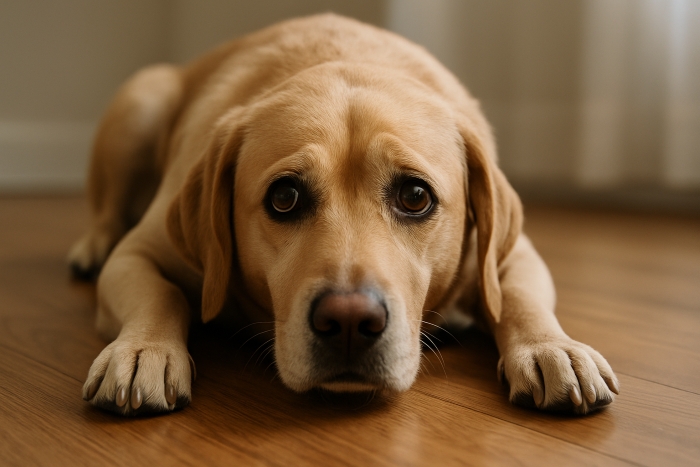
There are few things more stressful for a pet parent than discovering your dog has diarrhea. The worry, the mess, and the uncertainty can be overwhelming. Your first instinct is to do something—anything—to make them feel better. But what’s the right course of action? Should you withhold food? Should you offer a special meal? The internet is flooded with conflicting advice, making a stressful situation even more confusing.
If you’re looking for a clear, safe, and effective plan, you’ve come to the right place. An appropriate temporary dog diarrhea diet is one of the most effective tools for calming your dog’s digestive system and getting them back on their paws.
This guide provides a simple, vet-approved 3-day plan to manage your dog’s uncomplicated diarrhea at home. We’ll cover what to feed, what to avoid, and the critical red flags that mean you need to stop and call your veterinarian immediately.
Why Do Dogs Get Diarrhea in the First Place?
Diarrhea in dogs is a symptom, not a disease itself. It’s the body’s way of quickly expelling something that disagrees with the digestive system. The cause can be something simple or something more serious. Common culprits include:
- Dietary Indiscretion: Your dog ate something they shouldn’t have, like table scraps, garbage, or a new treat that didn’t agree with them.
- Sudden Diet Change: Switching your dog’s food too quickly can upset their stomach.
- Stress or Anxiety: Just like in humans, stress can lead to digestive upset.
- Viruses or Infections: Bacterial or viral infections can cause severe diarrhea.
- Underlying Health Issues: More serious conditions like pancreatitis, IBD (Inflammatory Bowel Disease), or food allergies can also be a cause.
This guide is intended for mild cases of diarrhea likely caused by dietary indiscretion.
The First 24 Hours: To Fast or Not to Fast?
You may have heard that you should withhold food when your dog has diarrhea. This can be beneficial, but it’s not a one-size-fits-all solution.
For most healthy adult dogs, a short fasting period of 12-24 hours can help their gastrointestinal (GI) tract rest and reset. It gives the inflamed intestines a chance to heal without the work of digesting food. During this time, ensure they have constant access to fresh, clean water to prevent dehydration.
IMPORTANT: Do NOT fast puppies, senior dogs, or dogs with underlying health conditions like diabetes. They need a steady supply of nutrients. For these dogs, you should skip the fasting period and move directly to the bland dog diarrhea diet plan.
Your Ultimate 3-Day Dog Diarrhea Diet Plan
This simple plan is designed to be gentle, easy to digest, and nourishing for a recovering GI tract.
Day 1: Introducing the Bland Diet
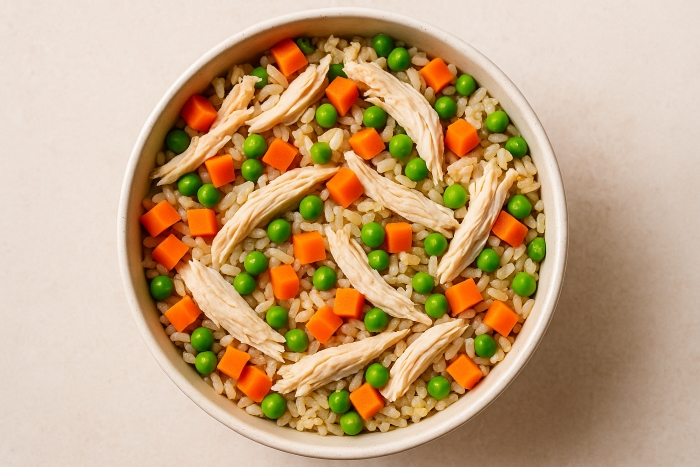
After the initial fasting period (or immediately, for puppies/seniors), you’ll introduce a bland diet. The goal is to provide simple, low-fat nutrition that is easy on the stomach. The classic, vet-recommended bland diet consists of:
- A Lean Protein: Boiled, skinless, boneless chicken breast is the gold standard. Boil it until cooked through, then shred it. Do NOT add any salt, oil, or seasonings.
- A Simple Starch: Plain, boiled white rice is perfect. It’s easily digestible and helps bind the stool.
Serving Instructions:
- Ratio: Mix 1 part boiled chicken to 2 parts cooked white rice.
- Portion: Instead of two large meals, offer 3-4 small meals throughout the day to make digestion easier. Start with a very small portion to see how they tolerate it.

Day 2: Sticking with the Plan & Monitoring
If your dog tolerated the Day 1 meals without vomiting and their stool is beginning to firm up, continue feeding the same bland chicken and rice diet in small, frequent meals.
This is a day for observation. Monitor their energy levels and, most importantly, their stool quality. You are looking for a gradual return to a more normal, formed consistency. Continue to provide plenty of fresh water.
Day 3: The Crucial Transition Back to Normal
If your dog’s stool is firm and they seem to be feeling better, it’s time to slowly transition back to their regular food. Do not switch back all at once, as this can cause a relapse.
- Meal 1: 75% bland diet, 25% regular kibble.
- Meal 2: 50% bland diet, 50% regular kibble.
- Meal 3: 25% bland diet, 75% regular kibble.
If your dog continues to do well, they can return to 100% of their regular food on Day 4.
Foods You Must AVOID When Your Dog Has Diarrhea
Feeding the wrong thing can make the situation much worse. While your dog is recovering, avoid:
- Rich or Fatty Foods: This includes table scraps, fatty meats, and oily foods.
- Dairy Products: Many dogs are lactose intolerant, and dairy can worsen diarrhea.
- Regular Dog Treats: Most commercial treats are too rich for a sensitive stomach.
- Rough or Difficult-to-Digest Items: Avoid bones or chews.
When to Call the Vet: Critical Red Flag Symptoms
A home dog diarrhea diet is only appropriate for mild, uncomplicated cases. You must call your veterinarian immediately if you notice any of the following:
- Diarrhea lasts for more than 48-72 hours.
- Your dog is very young (a puppy), very old, or has a pre-existing health condition.
- There is blood in the stool (it may look black and tarry or have red streaks).
- Your dog is also vomiting.
- Your dog is extremely lethargic, weak, or seems to be in pain.
- You suspect they may have ingested something toxic.
(External Link: For more information on emergency symptoms, please refer to this excellent guide from the AKC on dog diarrhea: https://www.akc.org/expert-advice/health/dog-diarrhea-causes-treatment/)

Frequently Asked Questions (FAQ)
Q: Can I use brown rice instead of white rice?
A: It’s best to stick with white rice. While brown rice is generally healthier, its high fiber content can be harder for an already-irritated stomach to digest. White rice is blander and easier on the system during recovery.
Q: Are probiotics good for dog diarrhea?
A: Yes, dog-specific probiotics can be very helpful in restoring the healthy gut bacteria that are lost during a bout of diarrhea. Ask your vet for a recommended brand.
Q: Can I give my dog bone broth?
A: A plain, unsalted, homemade bone broth can be a great way to encourage hydration. However, do not use store-bought human broth, as it is very high in sodium and may contain onion or garlic. (Internal Link: Learn how to make a [Safe Bone Broth for Your Dog] here!)
Conclusion: A Calm Approach to a Messy Problem
A case of doggy diarrhea can be alarming, but a calm and methodical approach is your best tool. By giving their system a rest and introducing a simple, bland dog diarrhea diet, you can help your best friend feel better quickly.
Remember, this guide is for mild cases only. Your veterinarian is your most important partner in your dog’s health. When in doubt, always make the call.