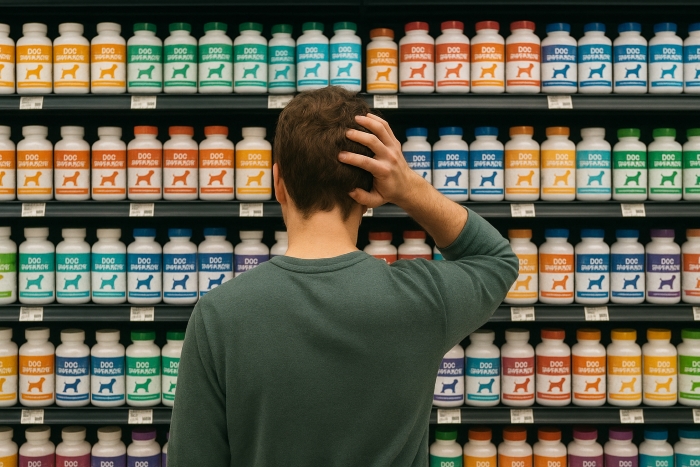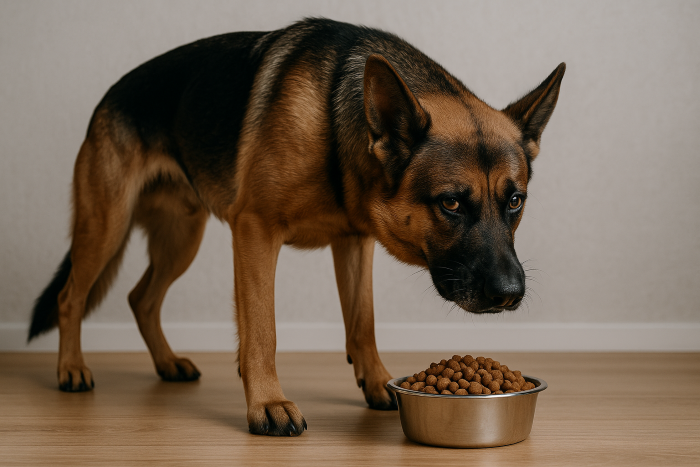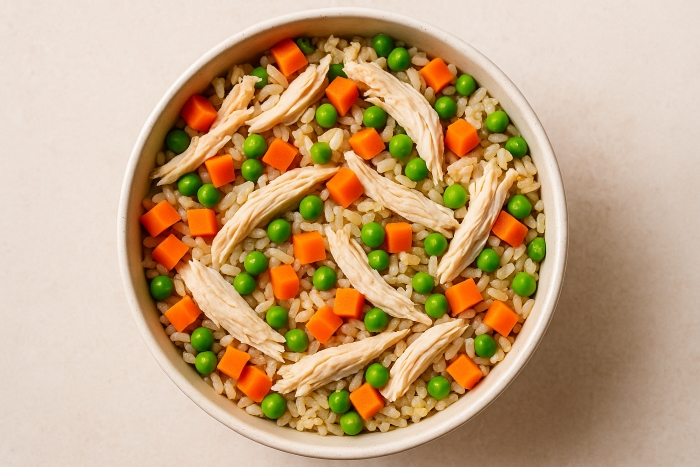
Scrolling through social media, you see them: beautiful, vibrant bowls of freshly cooked food for a beloved dog. Filled with glistening meats, bright vegetables, and wholesome grains, these homemade meals look like the ultimate act of love. Frustrated by endless pet food recalls and confusing ingredient lists, more and more owners are turning to their own kitchens, believing a home-cooked meal is inherently healthier.
This desire to provide the best is commendable. But here’s the shocking, inconvenient truth that veterinarians wish every owner knew: most homemade dog food recipes are dangerously incomplete.
Without expert guidance, your act of love could quickly become a dangerous gamble, leading to severe nutritional deficiencies and long-term health problems. This guide will expose the number one mistake owners make when trying homemade dog food recipes, explain the hidden dangers of an imbalanced diet, and provide a clear, safe path forward if you’re committed to cooking for your canine.
The Allure of Homemade: Why We Love Cooking for Our Dogs
The movement towards homemade diets isn’t surprising. Caring pet parents are driven by powerful motivations:
- Complete Control: You know exactly what’s in every bite, with no mysterious fillers or preservatives.
- Freshness and Quality: You can use whole, fresh ingredients you’d eat yourself.
- Avoiding Recalls: The fear of contaminated commercial pet food is a significant factor.
- Managing Allergies: It allows for precise control over potential allergens.
These are all valid reasons. However, good intentions are not enough to create a healthy meal.
The #1 Mistake: The Silent Danger of Nutritional Imbalance
The single greatest mistake loving owners make with homemade dog food recipes is assuming that “a little bit of this, a little bit of that” creates a balanced meal. A diet of just chicken, rice, and carrots might seem healthy, but it’s a recipe for nutritional disaster over time.
Dogs have complex nutritional needs that cannot be met by simply mixing a few food groups. According to a study published in the Journal of the American Veterinary Medical Association (JAVMA), over 95% of homemade pet food recipes found online were found to be deficient in at least one essential nutrient.
The Critical Calcium to Phosphorus Ratio
One of the most critical and commonly overlooked factors is the calcium-to-phosphorus ratio. These two minerals work together to build strong bones and teeth. Meat is very high in phosphorus but low in calcium. Feeding a diet of mostly meat without a proper calcium source will lead the body to pull calcium from the bones to compensate, resulting in a dangerous condition called nutritional secondary hyperparathyroidism, which can cause bone deformities and fractures.
Micronutrients: The Missing Pieces of the Puzzle
Beyond the major minerals, a homemade diet is often deficient in essential micronutrients that are vital for long-term health, including:
- Zinc and Copper: Essential for skin, coat, and immune health.
- Taurine: An amino acid crucial for heart health, especially in certain breeds.
- Omega-3 & Omega-6 Fatty Acids: Vital for reducing inflammation, supporting brain function, and maintaining a healthy coat.
- B Vitamins: Necessary for energy metabolism and nervous system function.
Commercial dog foods are carefully fortified with a precise blend of these vitamins and minerals. Replicating this at home is nearly impossible without a scientifically formulated recipe and proper supplements.

The Dangers of an Unbalanced Diet
The effects of an imbalanced homemade diet may not be visible for months or even years, but the damage can be severe and sometimes irreversible.
- Skeletal Problems: Bone deformities, fractures, and joint issues.
- Heart Conditions: Dilated Cardiomyopathy (DCM) has been linked to taurine deficiencies.
- Skin and Coat Issues: A dull, brittle coat, flaky skin, and recurrent infections.
- Weakened Immune System: Leading to an increased susceptibility to illness.
How to Create Genuinely Safe Homemade Dog Food Recipes
If you are still committed to cooking for your dog, it can be done safely, but it requires diligence and professional guidance.
Rule #1: Partner with a Professional (Non-Negotiable)
Do not rely on recipes from blogs or social media. You must work with a board-certified veterinary nutritionist to formulate a recipe tailored to your dog’s specific age, breed, weight, and health status. They are the only ones qualified to create a truly complete and balanced diet.
Rule #2: Follow a Scientifically Formulated Recipe
A proper recipe will include specific types and amounts of meat, carbohydrates, fats, and, most importantly, a specific vitamin and mineral supplement to fill the nutritional gaps. Websites like BalanceIT.com or Tufts University’s Petfoodology are excellent resources, often recommended by veterinarians, for creating balanced recipes.
A Sample Balanced Starter Recipe (For Discussion With Your Vet)
Disclaimer: This is a generic example to illustrate the components of a balanced recipe. It is NOT a substitute for a custom recipe from a veterinary nutritionist.
Ingredients:
- 1/2 lb (225g) cooked ground turkey (93% lean)
- 1 cup cooked brown rice
- 1/2 cup mixed vegetables (carrots, peas, spinach), steamed
- 1 tbsp high-quality fish oil (for Omega-3s)
- A specific vitamin/mineral supplement recommended by your vet (e.g., Balance IT Canine) in the amount prescribed.
Instructions:
- Cook the ground turkey thoroughly.
- Cook the brown rice.
- Steam the vegetables until soft.
- Combine all ingredients in a large bowl and mix thoroughly.
- Crucially, add the exact amount of the vet-recommended supplement.
- Cool and serve, or store in the refrigerator for up to 3 days.
Ingredients That Should NEVER Be in Your Dog’s Bowl
Whether cooking or just sharing, remember the toxic list. (Internal Link: See our full guides on [Grapes], [Chocolate], and [Worst Dog Food Ingredients] for more details).
- Onions, Garlic, Chives
- Grapes and Raisins
- Macadamia Nuts
- Chocolate
- Anything with Xylitol

Conclusion: Love is More Than Just Fresh Ingredients
Cooking for your dog is a profound expression of love. But true love is ensuring their well-being, and that means prioritizing nutritional science over guesswork. The most loving meal is not just a fresh one, but a complete and balanced one.
Before you start your culinary journey, make the most important first step: talk to your veterinarian or a veterinary nutritionist. By combining your devotion with their expertise, you can ensure your homemade dog food recipes are not a dangerous gamble, but a genuine contribution to a long and healthy life.