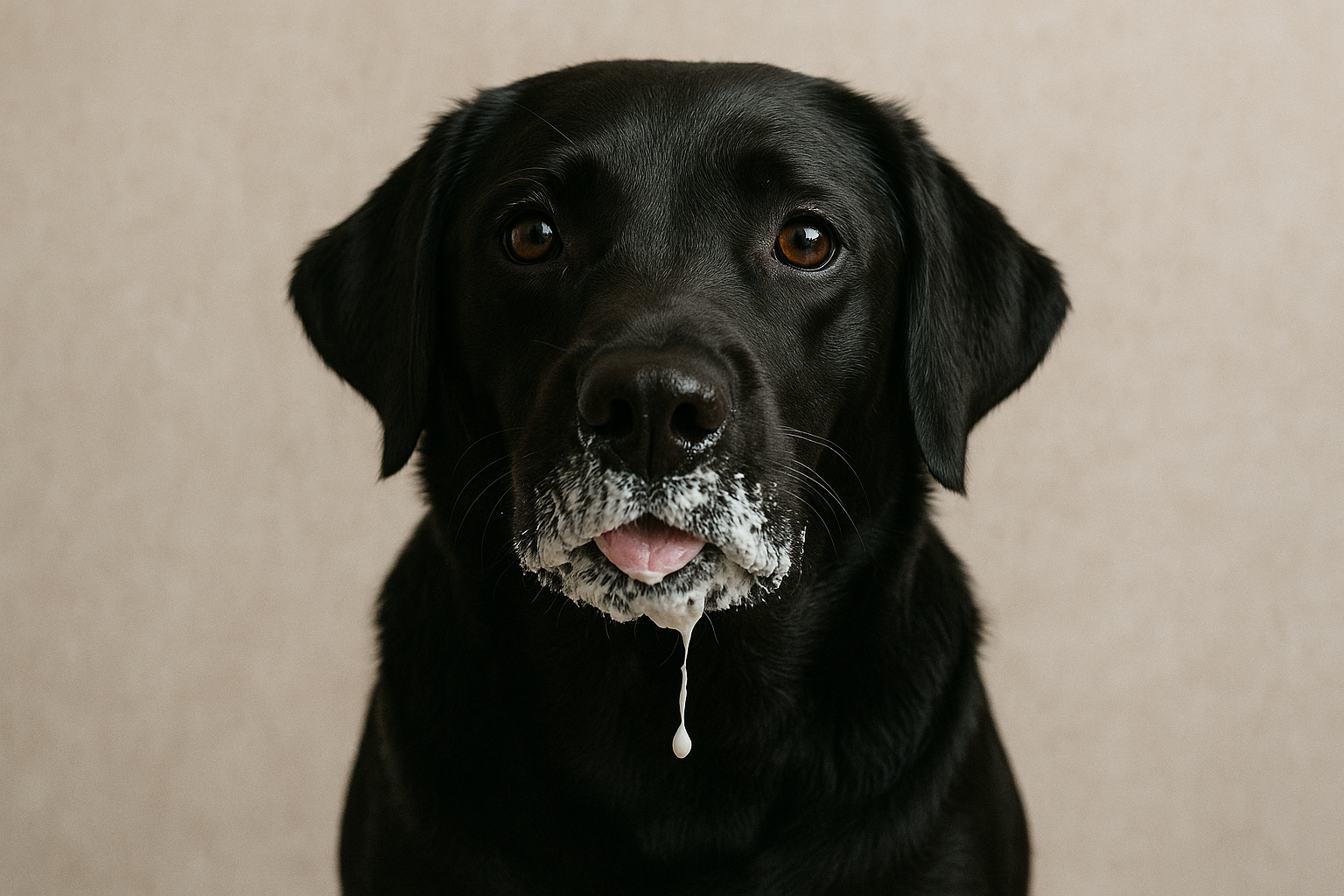
Wondering can dogs eat yogurt? You’re not alone. Many owners see yogurt as a healthy human treat, but when a curious pup sneaks a lick, that question becomes urgent. Is it safe, or should you be worried?
I’ve been there—frozen mid-bite as my dog happily lapped up a blob of Greek yogurt. It’s a common scenario that leaves many asking if this creamy snack is a safe treat for our pets.
This in-depth guide will fully answer the question, “can dogs eat yogurt?” We’ll break down the benefits, the risks, which types are safe, and what to do if your dog eats the wrong kind.
Can Dogs Eat Yogurt Safely? The Short Answer
The simple answer is yes, dogs can eat some types of yogurt. However, the key is choosing the right kind. When considering yogurt for dogs, remember that plain, unsweetened, and xylitol-free yogurt is generally safe. The danger doesn’t lie in the yogurt itself, but in the additives commonly found in commercial brands.
The Good vs. The Bad: A Guide to Yogurt for Dogs
| Yogurt Type | Safety Level | Key Considerations |
| Plain, Unsweetened Yogurt | ✅ Safe | Best option. Contains probiotics without harmful additives. |
| Plain Greek Yogurt | ✅ Safe | Excellent choice. Higher in protein and lower in lactose. |
| Flavored Yogurt | ❌ AVOID | Almost always contains high sugar or artificial sweeteners. |
| Yogurt with Xylitol | ☠️ HIGHLY TOXIC | Xylitol is a sugar substitute that is extremely poisonous to dogs. |
| “Light” or “Fat-Free” Yogurt | ⚠️ Use Caution | Often contain artificial sweeteners to compensate for lack of fat. |
| Fruit-on-the-Bottom | ❌ AVOID | Loaded with sugar, syrups, and preservatives. |
Golden Rule: Always read the ingredient label before sharing. If you see xylitol, your dog absolutely cannot eat that yogurt.
Health Benefits: Why Plain Yogurt Can Be Good for Dogs
When you’re trying to determine if dogs can eat yogurt, it helps to know the potential benefits. The right kind of yogurt can be a healthy treat.
- Probiotics: These beneficial bacteria support a healthy gut microbiome, aiding digestion and boosting the immune system. This is especially helpful after a course of antibiotics.
- Protein: Greek yogurt in particular is high in protein, which is essential for muscle maintenance.
- Calcium and Vitamins: Supports strong bones and provides essential nutrients.
Risks of Giving Your Dog Yogurt
Not all yogurt is created equal. Here are the primary dangers to be aware of when giving your dog yogurt.
Lactose Intolerance
A key factor in determining if dogs can eat yogurt safely is lactose intolerance. Many dogs lack the enzyme to break down lactose, the sugar in milk.
Signs of Lactose Intolerance:
- Gas or bloating
- Diarrhea
- Vomiting
- Stomach cramps or discomfort
Xylitol: A Deadly Sweetener
This is the most critical risk. According to top veterinary sources like the American Kennel Club (AKC), xylitol is extremely toxic to dogs. It causes a rapid, life-threatening drop in blood sugar and can lead to liver failure.
A Cautionary Tale: My friend’s Yorkie once snuck a few licks of a vanilla yogurt containing xylitol. It ended in an emergency vet visit and a night on IV fluids. This scary experience highlights why it’s vital to check every label before you decide your dog can eat yogurt.
What to Do If Your Dog Ate the Wrong Yogurt
- Stay Calm & Read the Label Immediately. Check for xylitol, chocolate, or other toxic ingredients.
- Assess the Situation.
- If it contained xylitol: This is a medical emergency. Call your veterinarian or an emergency pet hospital immediately.
- If it was just plain yogurt: Monitor for signs of lactose intolerance.
- If it was sugary, flavored yogurt (no xylitol): An upset stomach is possible. While some human foods like apples can be a safe treat, and others like grapes are a definite no, sugary yogurt falls into a gray area. Call your vet if symptoms are severe.
Can Puppies and Senior Dogs Eat Yogurt?
- Puppies (8 weeks – 1 year): A puppy’s digestive system is still developing. If you want to know if puppies can eat yogurt, the answer is with extreme caution. A tiny dab of plain yogurt is the most you should offer.
- Adult Dogs (1 – 7 years): Most healthy adults can tolerate a tablespoon or two of plain yogurt as an occasional treat.
- Senior Dogs (7+ years): Older dogs can become more sensitive. If you’re wondering if your senior dog can eat yogurt, start with a very small amount or opt for a vet-approved probiotic instead.
Better & Safer Alternatives to Yogurt
If you’d rather not risk it, these are excellent alternatives:
- Pumpkin Purée: 100% pure pumpkin purée is fantastic for digestive health.
- Canine-Specific Probiotics: Formulated by vets to be safe and effective.
- Plain Kefir: Similar to yogurt but with more probiotics and less lactose.
- Frozen Banana or Berries: A sweet, healthy, and tummy-friendly frozen treat.
Final Thoughts: Can Dogs Eat Yogurt? Yes, with Care.
So, can dogs eat yogurt? Yes, but with significant precautions. The final verdict is to treat wisely.
- Always plain and unsweetened.
- Absolutely no xylitol.
- Serve as an occasional treat, not a daily meal.
- Start small and watch for any signs of stomach upset.
When in doubt, consult your veterinarian for advice tailored to your dog’s specific health needs.

Frequently Asked Questions (FAQ)
Q1: How much plain yogurt can I give my dog?
A small dog should have no more than a teaspoon, while a large dog can have up to a few tablespoons. It should be an occasional treat, not a daily supplement, even if the yogurt is safe for dogs.
Q2: Is Greek yogurt better for dogs than regular yogurt?
Yes. When owners ask if dogs can eat Greek yogurt, the answer is that it’s often a better choice. It’s higher in protein and has less lactose, making it easier for many dogs to digest.
Q3: Can yogurt help my dog’s diarrhea?
The probiotics in plain yogurt can help, but you must consult a vet first. Giving new food to a dog with diarrhea can sometimes make the problem worse, so professional advice is essential.