Bringing home a new puppy is one of life’s most joyful experiences. The tiny paws, the boundless energy, the unconditional love—it’s a whirlwind of excitement. But alongside that joy comes a wave of responsibility, and one of the most pressing questions new owners face is, “What do I feed a puppy?”
The nutrition you provide in your puppy’s first year is more than just daily sustenance; it’s the fundamental building block for their entire life. It dictates the strength of their bones, the health of their organs, and the resilience of their immune system. Getting it right during this “golden window” is the greatest gift you can give your new best friend.
This guide will walk you through the seven essential, non-negotiable rules of puppy nutrition. We’ll demystify the labels, create a perfect feeding schedule, and give you the confidence you need to make the best choices for your growing companion.
Why Puppy Food Isn’t Just a Marketing Gimmick
It’s easy to think “food is food,” but the nutritional needs of a rapidly growing puppy are vastly different from those of an adult dog. A puppy’s body is working overtime, building everything from a strong skeletal frame to a complex immune system.
Compared to adult dog food, puppy-specific formulas are specially designed with:
- More Calories & Protein: To fuel their explosive growth and high energy levels.
- Higher Fat Content: Fat is a crucial energy source and essential for brain and vision development.
- Optimized Mineral Balance: Specifically, a carefully balanced ratio of calcium and phosphorus is vital for healthy bone and joint development, especially in large-breed puppies.
Feeding an adult dog food to a puppy can lead to nutritional deficiencies and developmental problems down the line. It’s a corner you should never cut.
The 7 Essential Rules for Your Puppy’s Diet
Navigating what to feed a puppy becomes much simpler when you follow these fundamental rules.
Rule #1: Always Choose a High-Quality, Puppy-Specific Formula
This is the non-negotiable first step. Look for food that is labeled “for puppies” or “for all life stages” and that meets the nutritional standards set by a reputable organization like AAFCO (Association of American Feed Control Officials). This statement on the bag is your assurance that the food is a complete and balanced meal.
Rule #2: Become a Master of the Ingredient List
Not all puppy foods are created equal. As we discussed in our guide to the [Worst Dog Food Ingredients], the quality is in the details.
- Look for Named Animal Protein: The first ingredient should be a high-quality, named protein source like “deboned chicken,” “lamb,” or “salmon.”
- Avoid Vague Terms: Steer clear of foods with generic terms like “meat meal” or “animal by-products.”
- Ensure Healthy Fats: Look for named fat sources like “chicken fat” or omega-rich “salmon oil,” which is excellent for brain development.
Rule #3: Establish a Rock-Solid Feeding Schedule
Puppies have tiny stomachs and high energy needs, so they thrive on a consistent schedule of small, frequent meals. A predictable schedule not only aids in digestion but also makes house-training significantly easier.
- 8-12 Weeks Old: 4 meals per day.
- 3-6 Months Old: 3 meals per day.
- 6-12 Months Old: 2 meals per day.
Try to feed them at the same times each day to regulate their digestive system and potty breaks.

Rule #4: Get the Portion Size Perfectly Right
Overfeeding is one of the most common mistakes new puppy owners make. While a chubby puppy might look cute, excess weight puts dangerous stress on their developing joints, especially in large breeds.
- Start with the Bag: Use the feeding guide on the food bag as a starting point. It will provide recommendations based on your puppy’s current weight and age.
- Adjust for Your Puppy: Remember that these are just guidelines. If your puppy is very active, they may need slightly more. If they are more sedentary, they may need less.
- Body Condition Score: Learn how to feel your puppy’s ribs. You should be able to feel them easily under a thin layer of fat, and they should have a visible waistline when viewed from above. Your vet can show you how to do this.
Rule #5: Know Exactly When to Switch to Adult Food
The transition to adult food is a critical step that depends entirely on your dog’s breed size. Switching too early can rob them of vital growth nutrients, while switching too late can lead to obesity.
- Small Breeds (under 20 lbs): Switch around 9-12 months of age.
- Medium Breeds (20-50 lbs): Switch around 12-14 months.
- Large & Giant Breeds (over 50 lbs): Switch much later, typically between 18 and 24 months.
(Internal Link: When you’re ready, check out our [Foolproof 7-Day Plan to Switch Your Dog’s Food] to do it without causing an upset stomach!)
Rule #6: Choose Your Puppy’s Treats Wisely
Treats are essential for training and bonding, but they can also quickly lead to weight gain. The golden rule is that treats should make up no more than 10% of your dog’s daily caloric intake.
Choose small, soft, and easily breakable training treats. Single-ingredient options like freeze-dried chicken or liver are also excellent choices. Avoid hard bones or rawhides that can damage delicate puppy teeth.
Rule #7: Provide Constant Access to Fresh, Clean Water
This may seem obvious, but it’s fundamentally important. Water is essential for every bodily function. Make sure your puppy always has a clean bowl of fresh water available, and wash the bowl daily to prevent bacteria buildup.
Human Foods for Puppies: The Good, The Bad, and The Deadly
While your puppy’s primary nutrition must come from their balanced puppy food, small amounts of certain human foods can be given as high-value treats.
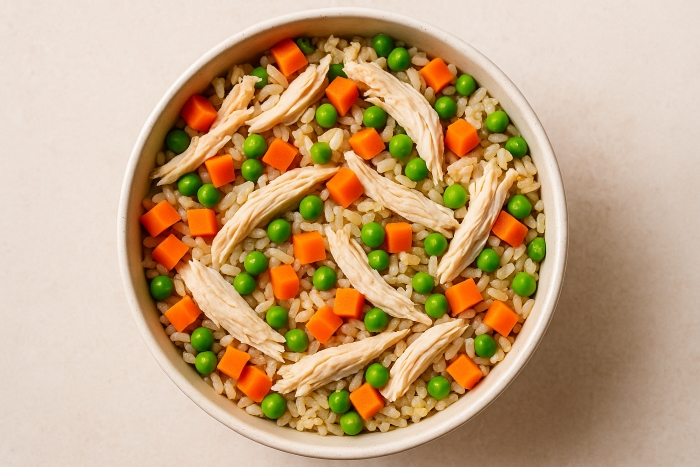
- Safe Tidbits (in tiny amounts): Small pieces of carrot, green beans, or a few blueberries.
- The Deadly List: Never, ever give your puppy [Chocolate], [Grapes], onions, garlic, or anything containing the sweetener Xylitol. These are toxic and can be fatal.
(External Link: For a comprehensive list of safe and unsafe foods, consult this guide from the ASPCA Animal Poison Control Center: https://www.aspca.org/pet-care/animal-poison-control/people-foods-avoid-feeding-your-pets)
Frequently Asked Questions (FAQ)
Q: Can my puppy eat a mix of wet and dry food? A: Absolutely! Mixing some high-quality wet puppy food with their dry kibble can make it more palatable and increase their moisture intake. Just be sure to account for the extra calories.
Q: My new puppy isn’t eating. What should I do? A: It’s common for a puppy to be a little off their food for the first day or two in a new home due to stress. If the refusal to eat lasts longer than 24 hours, or is accompanied by vomiting or lethargy, contact your vet immediately.
Q: Should I feed my puppy a grain-free diet? A: This is a complex topic. While some puppies have genuine grain allergies, most do not. Recent studies have raised concerns about a potential link between some grain-free diets and a heart condition called DCM. It’s best to consult with your veterinarian to choose the best diet for your specific puppy.

Conclusion: A Foundation for a Lifetime of Health
The effort you put into understanding what to feed a puppy during their first year will pay dividends for the rest of their life. By providing a high-quality, balanced diet, establishing a consistent routine, and making smart choices about treats, you are building a strong foundation for a healthy, happy, and long-lived companion.
Enjoy every moment of this special time—it goes by faster than you think!