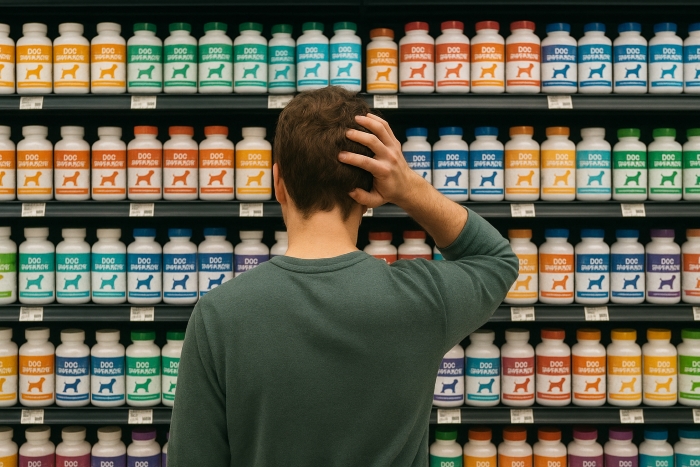
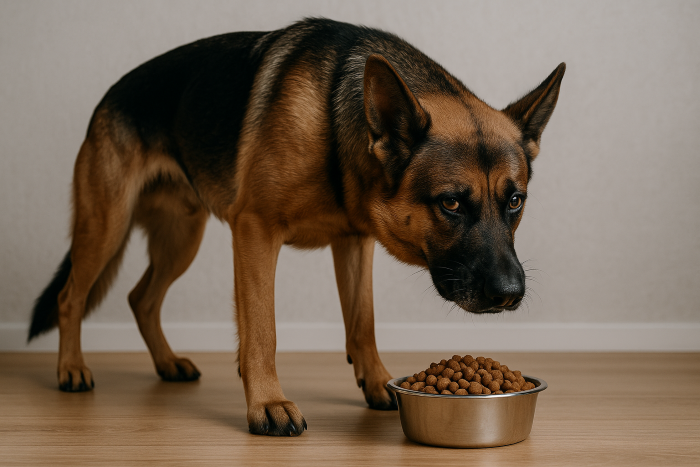
We all want the best for our furry family members, and that starts with the food we put in their bowls. We carefully select what we believe to be nutritious and delicious, often swayed by appealing marketing and glossy packaging. But what if the food you’re feeding your beloved canine companion contains “secret poisons” – ingredients that could be silently harming their health?
The pet food industry is a massive market, and while many companies genuinely strive to provide quality nutrition, others prioritize profit margins over your dog’s well-being. This can lead to the inclusion of cheap, low-quality, and even potentially harmful ingredients that you, as a caring pet owner, deserve to know about.
It’s time to flip that bag of kibble over and become a savvy label reader. This eye-opening guide will expose the 5 worst dog food ingredients that you should actively avoid to protect your dog’s health and ensure they live a long, happy, and vibrant life. Prepare to be shocked – the truth about some common pet food ingredients might surprise you.

The Shocking Truth About Pet Food Ingredients
Unlike human food, the regulations surrounding pet food labeling can sometimes be less stringent, allowing for the use of broad terms and less transparent sourcing. This lack of clarity can make it difficult for pet owners to truly know what they are feeding their dogs.
Many pet foods rely on ingredients that are inexpensive and readily available, which doesn’t always translate to optimal nutrition. Some ingredients are simply fillers, providing minimal nutritional value, while others can be actively detrimental to your dog’s health over time.
Becoming aware of these potential pitfalls is crucial for making informed decisions and ensuring your dog receives the high-quality diet they deserve. Let’s uncover the worst dog food ingredients that should raise a red flag.
The “Filthy Five”: Worst Dog Food Ingredients to Watch Out For
These five categories of ingredients are commonly found in many dog foods and can pose significant risks to your dog’s health.
Ingredient #1: Vague and Unnamed “Meat Meals” and “By-Products”
When you see terms like “meat meal,” “poultry by-product meal,” or simply “animal digest” on your dog food label without a specific animal source (e.g., “chicken meal,” “beef by-product meal”), it’s a major red flag.
- What are they? These ingredients are often rendered products, meaning they are cooked down from various animal parts. The “meat” can come from virtually any animal source, including “4-D” animals (dead, dying, diseased, or downer), which are deemed unfit for human consumption. “By-products” can include things like beaks, feet, intestines, and other non-muscle parts.
- Why are they bad?
- Low Quality Protein: The protein source is often of poor nutritional value and digestibility.
- Unidentifiable Sources: You have no way of knowing what animal(s) your dog is actually eating, which can be problematic for dogs with allergies or sensitivities.
- Potential Contaminants: The rendering process can sometimes leave behind undesirable residues.
Look for: Specifically named meat meals (e.g., “chicken meal,” “lamb meal”) where the animal source is clearly identified.
Ingredient #2: Artificial Colors, Flavors, and Preservatives: A Chemical Cocktail
Just like in human food, artificial additives in dog food are often used to make the product look and taste more appealing to pet owners (not necessarily to the dogs themselves) and to extend shelf life. However, these chemicals offer no nutritional benefits and can pose various health risks.
- Artificial Colors (e.g., Red 40, Yellow 5, Blue 2): These dyes are primarily for visual appeal and have been linked to hyperactivity and even cancer in some studies. Dogs don’t care what color their food is!
- Artificial Flavors: Often used to mask the taste of low-quality ingredients, these provide no nutritional value and can even be misleading about the true content of the food.
- Artificial Preservatives (e.g., BHA, BHT, Ethoxyquin): These chemicals are used to prevent fats from going rancid. BHA (Butylated Hydroxyanisole) and BHT (Butylated Hydroxytoluene) are classified as possible human carcinogens by some agencies, and their long-term effects on dogs are still debated. Ethoxyquin is another preservative that has raised health concerns.
Look for: Natural preservatives like Vitamin E (tocopherols), Vitamin C (ascorbic acid), and rosemary extract.
Ingredient #3: The Problematic Pair: Corn and Wheat Gluten
Corn and wheat gluten are common ingredients in many dog foods because they are inexpensive sources of plant-based protein and carbohydrates, acting as fillers to bulk up the food. While not inherently toxic to all dogs, they can be problematic for several reasons.
- Low Biological Value: Plant-based proteins are generally less digestible and have a lower biological value for dogs compared to animal-based proteins. Dogs are facultative carnivores, meaning their bodies are best adapted to utilize nutrients from animal sources.
- Common Allergens: Corn and wheat are common allergens for dogs. They can cause skin issues (itching, rashes), digestive upset (vomiting, diarrhea), and ear infections.
- Nutrient Dilution: When these fillers make up a significant portion of the food, they dilute the concentration of more beneficial, animal-derived nutrients.
Look for: Dog foods that prioritize animal-based proteins as the primary ingredients. If grains are included, opt for easily digestible, whole grains in moderation (e.g., brown rice, oats).
Ingredient #4: Rendered Fat: Hidden Sources and Potential Contaminants
Similar to “meat meals,” “animal fat” or “poultry fat” listed without a specific source can be problematic. Rendering involves cooking down animal tissues, and the fat produced can come from unspecified and potentially unhealthy sources.
- Inconsistent Quality: The quality and nutritional profile of rendered fat can vary greatly depending on the source animals.
- Potential Contaminants: Just like meat meals, rendered fat can sometimes contain undesirable residues.
- Oxidized Fats: If not properly processed or stored, rendered fats can become oxidized, producing harmful free radicals that can damage your dog’s cells.
Look for: Named fat sources like “chicken fat” or “salmon oil,” which provide more transparency and often offer additional health benefits (e.g., omega fatty acids from fish oils).
Ingredient #5: Sweeteners Like Xylitol: The Silent Killer (Revisited)
While we discussed xylitol in the context of human jerky, it’s crucial to reiterate its extreme toxicity to dogs and the importance of checking all ingredient lists. Some unsuspecting dog food or treat manufacturers might include xylitol.
- Deadly in Small Amounts: Even tiny amounts of xylitol can cause a rapid and severe drop in blood sugar (hypoglycemia) and potentially fatal liver failure in dogs.
- Look Out For: Always scrutinize ingredient lists for xylitol, especially in “sugar-free” or “diet” products. If you see it listed, avoid the product entirely.
(External Link: For more detailed information on the dangers of xylitol, please refer to the VCA Animal Hospitals’ article on Xylitol Toxicity in Dogs: https://vcahospitals.com/know-your-pet/xylitol-toxicity-in-dogs)

Decoding the Label: How to Identify These Hidden Dangers
Becoming a proficient dog food label reader takes practice, but here are some key tips:
- The “First Five”: The ingredients are listed in descending order by weight. The first five ingredients make up the bulk of the food, so pay close attention to them. Prioritize foods where the first few ingredients are named animal protein sources.
- Be Specificity Savvy: Look for clearly named ingredients. The more specific the ingredient, the better you can assess its quality. “Chicken” is better than “poultry,” and “chicken breast” is even better.
- Recognize Red Flags: Be wary of vague terms like “meat meal,” “animal by-products,” artificial colors/flavors, and chemical preservatives.
- Research Unknown Ingredients: If you encounter an ingredient you’re unfamiliar with, take a moment to research its purpose and safety for dogs. Reputable pet food information websites (like the Pet Food Institute:
https://www.petfoodinstitute.org/) can be helpful resources.
What to Look For Instead: The Hallmarks of High-Quality Dog Food
Now that you know what to avoid, let’s focus on what makes a good dog food:
- Clearly Identified Animal Protein: Look for named sources like chicken, beef, lamb, fish, or turkey as the primary ingredients.
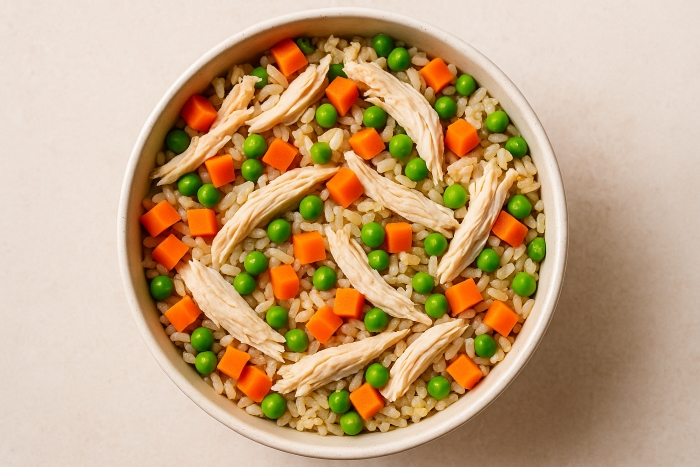
- Whole, Recognizable Ingredients: High-quality foods often include whole grains (if not grain-free), fruits, and vegetables that you can easily identify.
- Natural Preservatives: Vitamin E, Vitamin C, and rosemary extract are good natural alternatives.
- Transparency: Reputable brands are transparent about their sourcing and manufacturing processes.
- AAFCO Statement: Look for the Association of American Feed Control Officials (AAFCO) statement on the bag, which indicates that the food meets the nutritional levels established for your dog’s life stage.

The Power of Informed Choices: Protecting Your Dog’s Health Starts with You
As a loving pet owner, you have the power to make informed choices that significantly impact your dog’s health and well-being. By becoming a conscious label reader and understanding the worst dog food ingredients to avoid, you can steer clear of potentially harmful products and choose foods that will truly nourish your furry companion from the inside out.
Don’t be swayed by clever marketing tactics. The real truth lies in the ingredient list. Take the time to educate yourself, and you’ll be giving your dog the priceless gift of a healthier and happier life, one bowl at a time.